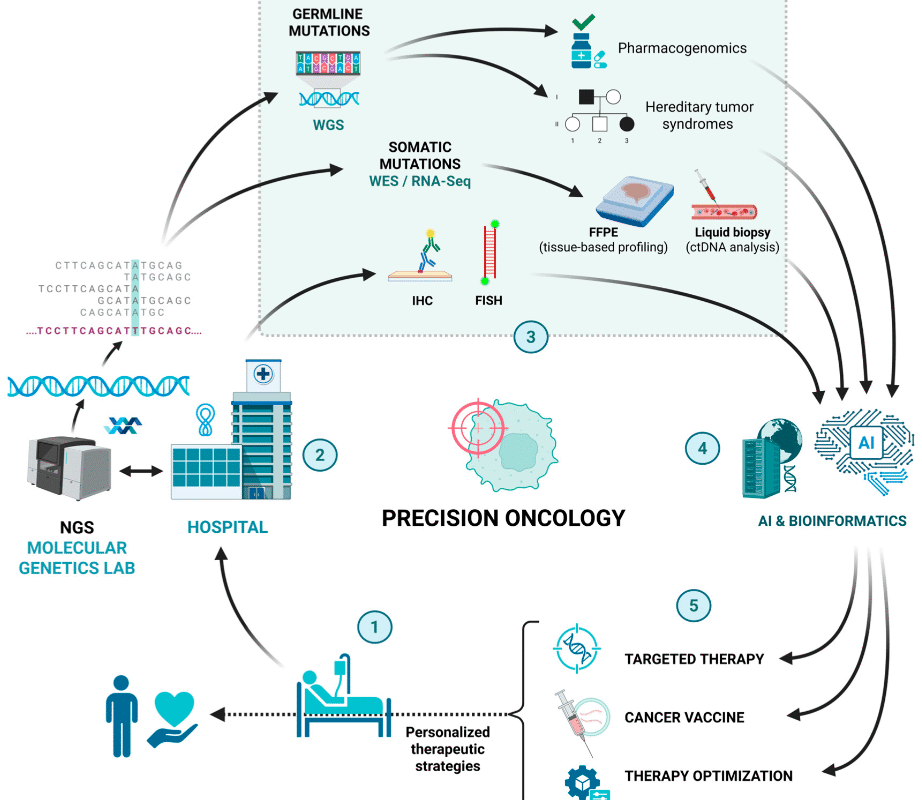
A new multidisciplinary research project is set to advance the understanding and prevention of anterior cruciate ligament (ACL) injuries by integrating clinical data with cutting-edge molecular and genomic technologies. The initiative, led by St. Catherine Specialty Hospital in collaboration with partners including International Center for Applied Biological Research (ICABS), Genos, and the University of Zagreb Faculty of Kinesiology, aims to develop a novel clinical-molecular algorithm capable of predicting individual susceptibility to ACL injury.
ACL injuries are among the most frequent and challenging conditions in sports medicine, often resulting in long recovery periods and a considerable risk of reinjury. Despite their prevalence, current clinical approaches remain largely reactive, focusing on treatment rather than prevention. A key limitation has been the insufficient understanding of the underlying biological mechanisms—particularly the interplay between genetic predisposition, biochemical processes, and biomechanical factors.
This project addresses that challenge through a comprehensive, multi-omics research strategy. By combining detailed clinical assessments with biochemical biomarker analysis, glycomics, and whole genome sequencing, the research team seeks to uncover the complex biological factors that contribute to ligament integrity and injury risk.
Participants in the study will undergo advanced clinical testing, including functional and biomechanical evaluations, alongside laboratory analyses of blood and urine samples. These analyses will focus on biomarkers related to collagen metabolism and tissue remodeling—key processes in maintaining ligament strength and resilience. In parallel, genomic profiling using next-generation sequencing technologies will enable the identification of genetic variants associated with connective tissue properties and susceptibility to injury.
A particularly innovative aspect of the project is the integration of glycan analysis, which captures both genetic and environmental influences on biological systems. This multi-layered approach allows for a more comprehensive understanding of how intrinsic and extrinsic factors interact in the development of ACL injuries, moving beyond traditional single-factor models.
The ultimate goal of the project is to develop and validate a predictive clinical-molecular algorithm that can be applied in real-world settings. Such a tool would enable early identification of individuals at increased risk of ACL injury, allowing for targeted preventive strategies, personalized training adaptations, and improved long-term outcomes for both professional and recreational athletes.
In addition to its clinical implications, the project contributes to the broader field of personalized medicine by demonstrating the value of integrating multi-omics data into predictive models of disease and injury. The collaboration between clinical institutions, research laboratories, and academic partners highlights the importance of interdisciplinary approaches in tackling complex biomedical challenges.
By bridging the gap between molecular research and clinical application, this initiative represents a significant step toward a more proactive and individualized approach to musculoskeletal health—one in which prevention, rather than treatment, becomes the central focus.
The project conference will be held on June 14th (partners only).
The official Project Conference Program can be accessed at the following link: Conference Program
Please note that the program is subject to change, so please check the updated Conference Program or ask at the Registration desk.
The project is funded through the “Targeted Scientific Research” call issued by the Ministry of Science, Education, and Youth of the Republic of Croatia under the National Recovery and Resilience Plan (NRRP).